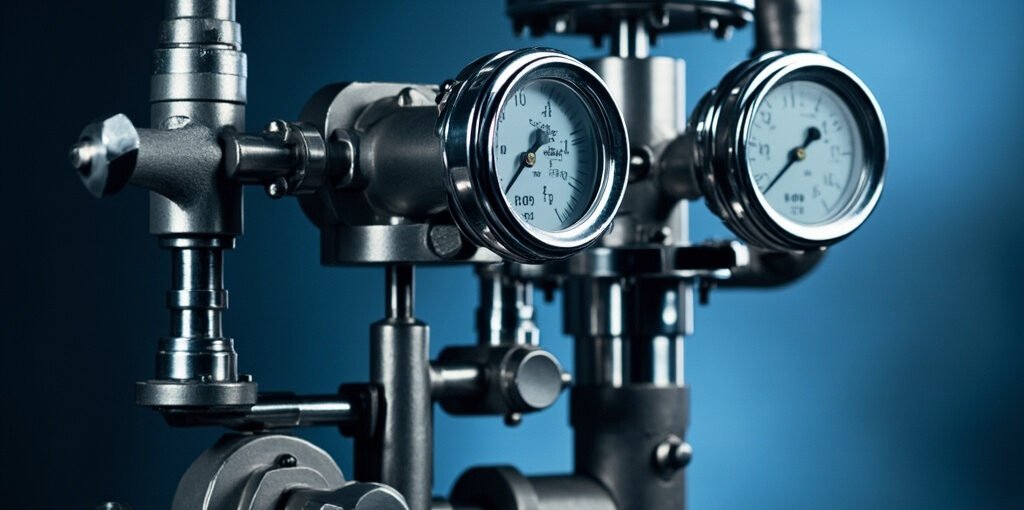
In modern industrial operations, maintaining precise pressure levels is critical for safety, efficiency, and product quality. Pressure control solutions encompass a wide range of equipment, instruments, and engineered systems designed to regulate, monitor, and stabilize pressure within pipelines, vessels, and processing equipment. From oil and gas exploration to pharmaceutical manufacturing, these solutions form the backbone of reliable and safe operations across countless sectors.
As industries continue to embrace automation and digital transformation, pressure control technology has evolved far beyond simple mechanical regulators. Today’s solutions integrate smart sensors, real-time data analytics, and remote monitoring capabilities that allow operators to maintain optimal performance while minimizing downtime and risk. This article explores the key types, applications, components, and selection criteria for pressure control solutions, helping you make informed decisions for your facility.
What Are Pressure Control Solutions?
Pressure control solutions refer to a category of engineered systems and devices that regulate the pressure of fluids (liquids and gases) within industrial processes. These solutions are designed to ensure that pressure remains within safe and optimal operating limits, preventing equipment failure, process inefficiencies, and hazardous situations. They typically include valves, regulators, transmitters, controllers, and integrated control systems that work together to maintain stable pressure conditions.
The primary goal of any pressure control solution is to automatically adjust flow rates in response to changes in upstream or downstream pressure, ensuring consistent performance without constant manual intervention. Whether the application involves high-pressure steam systems, low-pressure pneumatic networks, or sensitive gas chromatography, the right combination of components is essential for reliable results.
Key Types of Pressure Control Equipment
Understanding the different types of pressure control devices is the first step in choosing the right solution. Below are the most common categories:
- Pressure Regulators: Self-operated devices that reduce and maintain a consistent downstream pressure regardless of fluctuations in inlet pressure or flow demand.
- Pressure Relief Valves (PRVs): Safety devices designed to open automatically when system pressure exceeds a predetermined setpoint, protecting equipment from overpressure damage.
- Pressure Control Valves: Modulating valves that adjust flow in response to signals from a controller, allowing precise, dynamic pressure management.
- Back Pressure Regulators: Maintain a constant upstream pressure by releasing excess fluid when pressure rises above the setpoint.
- Pressure Transmitters and Sensors: Provide real-time pressure data to control systems, enabling accurate feedback and closed-loop control.
- Pressure Controllers: Electronic or pneumatic devices that compare measured pressure to a setpoint and adjust valve positions accordingly.
Comparison of Common Pressure Control Devices
The following table summarizes the main characteristics, advantages, and ideal applications of widely used pressure control devices:
| Device Type | Function | Key Advantage | Typical Application |
|---|---|---|---|
| Pressure Regulator | Reduces and stabilizes downstream pressure | Simple, no power required | Gas distribution, water supply |
| Pressure Relief Valve | Vents overpressure to protect equipment | Critical safety function | Boilers, pressure vessels, pipelines |
| Control Valve | Modulates flow based on controller signal | High accuracy and flexibility | Refineries, chemical plants |
| Back Pressure Regulator | Maintains constant upstream pressure | Excellent for pump protection | Sampling systems, instrumentation |
| Pressure Transmitter | Converts pressure into electrical signal | Real-time monitoring and data logging | SCADA, DCS, and IIoT systems |
Industries That Rely on Pressure Control Solutions
Pressure management is a universal need across nearly every industrial sector. The most prominent users include:
- Oil and Gas: Wellhead control, pipeline transmission, and refining processes depend on accurate pressure management to ensure safety and throughput.
- Chemical Processing: Reactor vessels and distillation columns require precise pressure control to maintain reaction conditions and product quality.
- Power Generation: Steam turbines, boiler feed systems, and cooling circuits all rely on regulated pressure to operate efficiently.
- Water and Wastewater Treatment: Pumps, filtration systems, and distribution networks use pressure regulators to maintain consistent flow.
- Pharmaceutical and Food Production: Sanitary pressure control valves ensure hygienic conditions and repeatable batch results.
- HVAC and Building Services: Building automation systems use pressure sensors to optimize ventilation and energy consumption.
Critical Components of a Pressure Control System
A complete pressure control solution typically includes three main elements working in harmony:
- Measurement Element: A pressure sensor or transmitter that detects current pressure levels and converts them into standardized signals (such as 4-20 mA or digital protocols like HART, Profibus, or Modbus).
- Control Element: A controller, often a PLC or DCS module, that processes the input signal and compares it to a desired setpoint.
- Actuating Element: A control valve or regulator that physically adjusts flow to bring the pressure back to the setpoint, completing the closed-loop process.
⚠️ Important Tip: Always size pressure regulators and control valves based on actual operating conditions, including maximum and minimum flow rates, temperature, and fluid properties. Undersized valves cause excessive pressure drop and poor control, while oversized valves lead to instability and premature seat wear. Consult manufacturer sizing software or an experienced engineer for critical applications.
How to Choose the Right Pressure Control Solution
Selecting the appropriate pressure control system requires careful evaluation of several factors. Consider the following criteria before making a decision:
- Operating Pressure Range: Ensure the device’s setpoint range and maximum allowable pressure match your process requirements.
- Fluid Compatibility: Verify that wetted materials are chemically compatible with the process media to prevent corrosion or contamination.
- Accuracy and Repeatability: For sensitive processes, choose devices with tight control tolerances and minimal hysteresis.
- Temperature Conditions: Extreme temperatures can affect sensor accuracy and seal performance, so select components rated for your environment.
- Flow Capacity (Cv): Match the valve or regulator size to expected flow rates, accounting for future expansion.
- Certifications: Look for industry-specific approvals such as ASME, PED, ATEX, or SIL ratings when safety is critical.
- Maintenance and Serviceability: Modular designs with easily replaceable parts reduce long-term ownership costs.
Benefits of Implementing Modern Pressure Control Solutions
Investing in advanced pressure control technology delivers measurable advantages:
- Enhanced Safety: Automatic pressure regulation and relief mechanisms prevent catastrophic failures and protect personnel.
- Improved Product Quality: Stable pressure conditions reduce variability and ensure consistent output.
- Energy Efficiency: Optimized pressure reduces pumping costs and minimizes waste in compressed air and steam systems.
- Reduced Downtime: Predictive diagnostics and real-time alerts help identify issues before they escalate.
- Regulatory Compliance: Accurate documentation and traceability simplify audits for industries governed by strict standards.
Future Trends in Pressure Control Technology
The pressure control industry is rapidly evolving thanks to innovations in digitalization and smart manufacturing. Industrial Internet of Things (IIoT) devices now embed microprocessors that perform self-diagnostics, calibrate automatically, and communicate wirelessly with cloud-based dashboards. Artificial intelligence is being applied to predict pressure fluctuations and optimize control strategies in real time, while digital twin technology allows engineers to simulate entire pressure systems before physical deployment.
Categories

-
-
-
Best Practices for Industry 4.0 adoption – Expert Tips
June 23, 2026