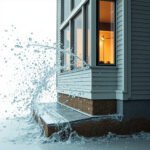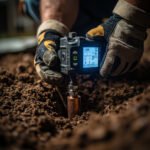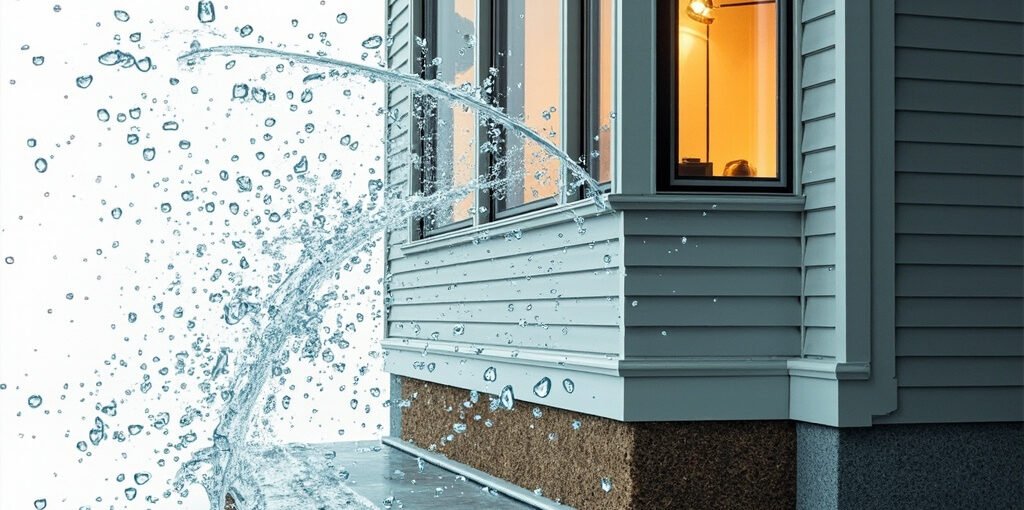
Moisture protection is a critical aspect of building maintenance, industrial manufacturing, electronics preservation, and everyday consumer care. Whether you are safeguarding a wooden deck from rot, protecting sensitive electronics from humidity, or ensuring the longevity of structural foundations, understanding moisture protection strategies can save thousands of dollars in repairs and replacements. In this comprehensive guide, we will explore the science behind moisture intrusion, the most effective protective methods, and the best practices used by professionals worldwide.
What Is Moisture Protection?
Moisture protection refers to a broad set of techniques, materials, and design principles aimed at preventing water and humidity from causing damage to structures, products, and materials. Water is one of the most destructive forces on Earth, capable of corroding metals, rotting wood, degrading concrete, and short-circuiting electronics. Effective moisture protection acts as a barrier between vulnerable materials and water in its various forms—liquid, vapor, and condensation.
The field of moisture protection spans multiple industries, including construction, automotive, electronics, packaging, and textile manufacturing. Each sector uses specialized methods tailored to the unique challenges it faces, but the underlying principles remain the same: control exposure, manage humidity, and create reliable barriers.
Why Moisture Protection Matters
Failing to address moisture issues can lead to serious consequences. Mold growth, structural weakening, electrical failures, and health hazards are all common outcomes of poor moisture management. According to industry studies, water damage is one of the leading causes of insurance claims globally, costing billions of dollars annually.
- Structural Integrity: Excess moisture weakens wood, corrodes steel, and degrades concrete through freeze-thaw cycles.
- Health Risks: Damp environments promote mold and mildew, which can trigger allergies, asthma, and respiratory diseases.
- Energy Efficiency: Wet insulation loses its thermal performance, driving up heating and cooling costs.
- Asset Longevity: Electronics, machinery, and tools degrade rapidly when exposed to humidity.
- Aesthetic Damage: Stains, peeling paint, and warped surfaces reduce property value and visual appeal.
Common Sources of Moisture Intrusion
Understanding where moisture comes from is the first step in effective protection. There are three primary sources of moisture that affect buildings and products:
- Liquid Water: Rain, groundwater, plumbing leaks, and flooding represent the most obvious threats.
- Water Vapor: Humid air carries moisture that can condense on cooler surfaces, especially in walls, attics, and basements.
- Capillary Action: Water can wick upward through porous materials like concrete, brick, and wood, even without direct contact.
Popular Moisture Protection Methods
Modern moisture protection combines physical barriers, chemical treatments, and intelligent design. Below are the most widely used methods across different industries.
1. Waterproof Membranes
Waterproof membranes are sheets or liquid-applied coatings that form a continuous barrier against water. They are commonly used on roofs, foundations, balconies, and shower walls. Materials include modified bitumen, EPDM rubber, PVC, and polyurethane.
2. Vapor Barriers
Vapor barriers are typically made of polyethylene plastic and are installed in walls, ceilings, and crawl spaces to prevent water vapor from migrating into building cavities. They are rated by permeability, often expressed in “perms.”
3. Sealants and Caulks
Sealants fill gaps and joints where water could otherwise penetrate. Silicone, polyurethane, and acrylic caulks are popular choices for windows, doors, and expansion joints.
4. Desiccants and Dehumidifiers
For enclosed spaces like shipping containers, electronics packaging, and basements, desiccants such as silica gel and molecular sieves absorb ambient moisture. Mechanical dehumidifiers actively remove humidity from the air.
5. Surface Coatings and Treatments
Wood sealers, concrete waterproofers, and anti-corrosion coatings chemically bond to surfaces to repel water. These are essential for outdoor furniture, decks, marine equipment, and metal structures.
Comparing Moisture Protection Materials
Choosing the right material depends on the application, environment, and budget. The table below compares the most common options.
| Material | Best For | Durability | Cost Level |
|---|---|---|---|
| Polyethylene Vapor Barrier | Crawl spaces, walls | High | Low |
| EPDM Rubber Membrane | Flat roofs, ponds | Very High | Medium |
| Silicone Sealant | Windows, joints | High | Low |
| Polyurethane Coating | Concrete, decks | Very High | Medium |
| Silica Gel Desiccant | Packaging, electronics | Reusable | Low |
| Bituminous Membrane | Foundations, basements | Very High | Medium |
Best Practices for Effective Moisture Protection
Implementing moisture protection correctly requires attention to detail and a systematic approach. Follow these proven best practices to ensure long-lasting results:
- Conduct Regular Inspections: Schedule annual checks of roofs, foundations, plumbing, and seals to catch issues early.
- Ensure Proper Drainage: Grade soil away from foundations and install gutters, downspouts, and French drains where needed.
- Ventilate Properly: Use exhaust fans in bathrooms and kitchens, and ensure attics and crawl spaces have adequate airflow.
- Use Quality Materials: Skimping on cheap sealants or membranes often results in costly repairs down the line.
- Address Problems Immediately: A small leak today can become a major structural issue within months.
- Control Indoor Humidity: Maintain indoor relative humidity between 30% and 50% to prevent condensation and mold growth.
Common Mistakes to Avoid
Even experienced contractors can make errors that compromise moisture protection. Avoid these frequent pitfalls:
- Trapping moisture by sealing walls or surfaces that are already damp.
- Using interior paint as a substitute for proper waterproofing.
- Installing vapor barriers on the wrong side of insulation in cold climates.
- Ignoring minor cracks in foundations until they become significant structural concerns.
- Forgetting to maintain dehumidifiers and replace desiccants regularly.
Future Trends in Moisture Protection
Innovation continues to drive the moisture protection industry forward. Smart sensors that monitor humidity and water presence in real time are becoming standard in modern buildings. Nanotechnology is enabling the development of superhydrophobic coatings that repel water at the molecular level. Meanwhile, sustainable and bio-based waterproofing materials are gaining popularity as the construction industry seeks greener alternatives.
3D printing is also influencing moisture protection by allowing the creation of custom-fitted seals and barriers that perfectly match unique geometries. As climate change increases extreme weather events, the demand for resilient, adaptive moisture protection systems will only continue to grow.
Categories

-
How to Master Technology trends in manufacturing in 2026
August 18, 2026-
-