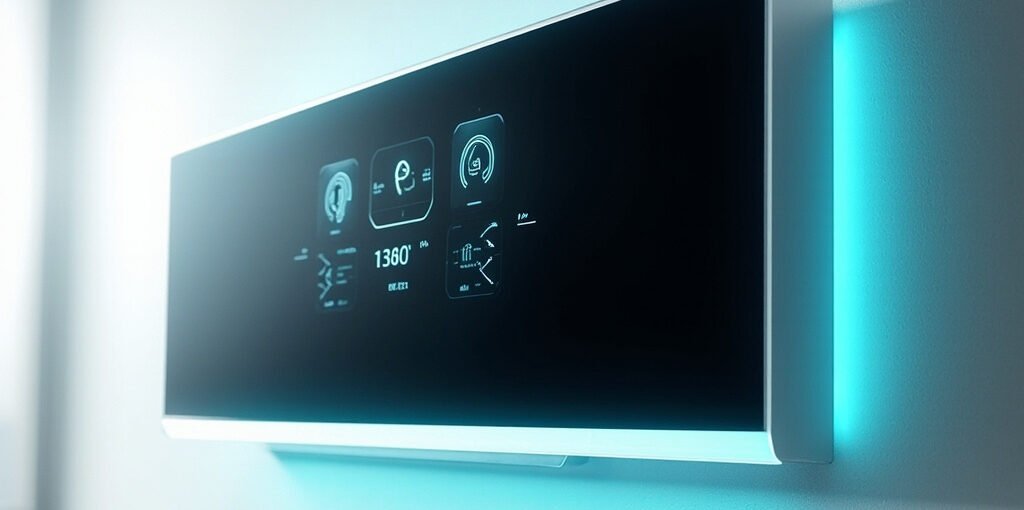
Central AC control is the brain of any whole-home cooling system, regulating temperature, airflow, and humidity across multiple rooms from a single, unified interface. Whether you’re upgrading an older thermostat, installing a brand-new system, or simply trying to understand how your home stays cool during scorching summer months, mastering central air conditioning control technology can dramatically improve comfort, energy efficiency, and long-term cost savings. In this in-depth guide, you’ll learn everything you need to know about central AC control systems, including types, components, smart features, installation tips, and troubleshooting advice.
What Is a Central AC Control System?
A central AC control system is the user-facing interface and underlying technology that governs a whole-home air conditioning unit. Unlike window units or portable ACs that operate independently, central air systems rely on a network of thermostats, sensors, dampers, and a control board to coordinate cooling throughout the entire house. The control system tells the compressor, blower, and evaporator coil when to turn on, how long to run, and at what intensity, all based on the temperature you set.
Core Functions of a Central AC Controller
- Temperature regulation across multiple zones or rooms
- Scheduling and automation of daily cooling cycles
- Humidity monitoring for optimal indoor air quality
- Fan speed control for airflow customization
- Energy usage tracking and reporting
- Remote access via smartphone apps or voice assistants
Key Components of Central AC Control
Understanding the physical and digital parts of your system helps you diagnose issues and make informed upgrade decisions. Below is a breakdown of the most important components that make central AC control possible.
| Component | Function | Location |
|---|---|---|
| Thermostat | User interface for setting temperature and modes | Living area wall |
| Control Board | Processes signals and operates the unit | Inside the air handler |
| Temperature Sensors | Detect ambient and return air temperature | Return air ducts |
| Zoning Dampers | Regulate airflow to specific rooms or zones | Inside ductwork |
| Relay Switches | Turn compressor and fan on/off | Control panel |
| Wi-Fi Module | Enables smart connectivity and app control | Inside thermostat or control board |
Types of Central AC Control Systems
Not all central AC controls are created equal. The type you choose directly impacts comfort, convenience, and operating cost. Here are the most common control types available today.
1. Manual Thermostats
Manual thermostats are the most basic option, using a simple dial or slide switch to set the desired temperature. While affordable and easy to use, they lack programmability and can lead to energy waste if forgotten.
2. Programmable Thermostats
Programmable thermostats allow you to set cooling schedules for different times of day. For example, you can program the system to run less while you’re at work and cool the home before you return, saving up to 10–15% on energy bills annually.
3. Smart Thermostats
Smart thermostats such as the Ecobee, Nest, and Honeywell Home represent the cutting edge of central AC control. These devices learn your habits, detect occupancy, integrate with voice assistants like Alexa and Google Assistant, and provide detailed energy reports through mobile apps.
4. Zoning Systems
Zoning systems use multiple thermostats and motorized dampers to control temperatures in different areas independently. This is ideal for multi-story homes or houses with rooms that get significantly more sun exposure.
How Central AC Control Works Step-by-Step
- The thermostat reads the current room temperature using built-in sensors.
- If the temperature is above the setpoint, the thermostat sends a low-voltage signal to the control board.
- The control board activates the compressor and condenser fan outside while simultaneously starting the blower fan inside.
- Refrigerant circulates through the evaporator coil, absorbing heat from indoor air.
- Cooled air is pushed through ductwork and into living spaces via supply vents.
- Once the desired temperature is reached, the thermostat signals the system to shut off, preventing short cycling.
Energy Efficiency and Cost Savings
According to the U.S. Department of Energy, homeowners can save up to $180 per year by properly using a programmable or smart thermostat. Setting your thermostat 7–10°F higher while you’re away during summer hours can cut cooling costs by up to 10% without sacrificing comfort.
| Thermostat Type | Average Cost | Annual Energy Savings |
|---|---|---|
| Manual | $20 – $50 | Baseline |
| Programmable | $50 – $150 | Up to $150 |
| Smart | $130 – $300 | Up to $180 |
| Zoning System | $500 – $1,500+ | Up to $400 |
Installation and Setup Best Practices
Proper installation ensures accurate temperature readings and reliable performance. Mount the thermostat on an interior wall about 5 feet above the floor, away from direct sunlight, drafts, and heat-generating appliances. Avoid placing it near windows, kitchens, or exterior doors. For smart thermostats, ensure a strong 2.4 GHz Wi-Fi signal reaches the location to maintain consistent connectivity.
Troubleshooting Common Central AC Control Issues
- AC won’t turn on: Check the circuit breaker, thermostat batteries, and ensure the system switch is set to “cool.”
- Inconsistent temperatures: Recalibrate the thermostat or check for blocked vents and dirty air filters.
- Short cycling: Could indicate an oversized unit, low refrigerant, or a failing thermostat sensor.
- Wi-Fi connectivity drops: Upgrade your router or add a Wi-Fi extender near the thermostat.
- System running constantly: Inspect ductwork for leaks and verify insulation levels in the attic.
Maintenance Tips for Long-Lasting Performance
Routine maintenance extends the lifespan of both your control system and AC unit. Replace air filters every 1–3 months, schedule professional HVAC tune-ups twice a year, and keep outdoor condenser coils free of debris. Updating thermostat firmware regularly also ensures your smart features remain secure and functional.
Final Thoughts
Central AC control is far more than just a thermostat on the wall — it’s the command center that keeps your home comfortable, healthy, and energy-efficient year-round. By choosing the right control system, programming it strategically, and maintaining it properly, you can enjoy lower utility bills, fewer repair calls, and a more consistent indoor climate. Whether you opt for a simple programmable unit or a fully connected smart ecosystem, investing in modern central AC control technology is one of the smartest upgrades any homeowner can make.