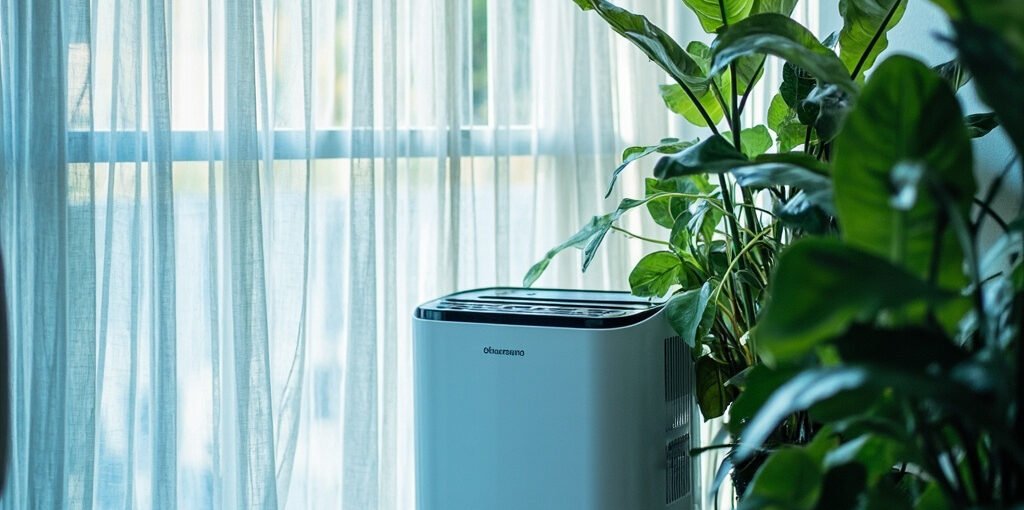
A humidity control system is an engineered solution designed to regulate and maintain moisture levels within a designated space. Whether in industrial facilities, commercial buildings, laboratories, or residential homes, maintaining optimal humidity is critical for comfort, product quality, equipment longevity, and health. This comprehensive guide explores the fundamentals, components, applications, and benefits of modern humidity control systems, helping you make informed decisions for your specific needs.
What Is a Humidity Control System?
A humidity control system is a combination of hardware and software components that measure, monitor, and adjust the moisture content in the air. The primary goal is to maintain relative humidity (RH) within a specific range—typically between 30% and 60%—to prevent problems caused by excessive dryness or dampness. These systems can either add moisture (humidification) or remove it (dehumidification), depending on environmental requirements.
Relative humidity refers to the amount of water vapor present in the air compared to the maximum amount the air can hold at a given temperature. When humidity deviates from ideal levels, it can cause structural damage, product spoilage, static electricity, microbial growth, and discomfort for occupants.
Why Humidity Control Matters
Proper humidity management plays a vital role across multiple sectors. Here’s a breakdown of why it matters:
- Health and Comfort: Maintaining RH between 40–60% reduces the spread of airborne viruses, prevents dry skin, and minimizes respiratory irritation.
- Product Integrity: Pharmaceuticals, electronics, food, and wood products are highly sensitive to moisture fluctuations.
- Equipment Performance: Data centers, manufacturing equipment, and precision instruments require stable humidity to prevent corrosion and malfunction.
- Building Preservation: Excess moisture leads to mold, mildew, and structural decay, while overly dry air can warp wood and crack paint.
- Energy Efficiency: Properly humidified air feels warmer, allowing for lower heating costs in winter.
Core Components of a Humidity Control System
Modern humidity control systems consist of several integrated components that work together to maintain ideal atmospheric conditions.
| Component | Function | Typical Use |
|---|---|---|
| Humidity Sensors | Detect moisture levels in real time | All environments |
| Controllers | Process sensor data and send commands | Smart systems |
| Dehumidifier | Removes excess moisture from the air | Basements, warehouses |
| Humidifier | Adds moisture when humidity is too low | Hospitals, museums |
| Air Handling Unit (AHU) | Circulates and conditions air | HVAC systems |
| Drainage System | Disposes of collected moisture | All dehumidification units |
Types of Humidity Control Systems
Different applications require different approaches. Below are the most common types of humidity control systems used today:
1. Refrigerant-Based Dehumidifiers
These systems use cooling coils to condense moisture from the air. They are energy-efficient, widely used in residential and commercial settings, and ideal for moderate humidity levels above 45°F.
2. Desiccant Dehumidification Systems
Using moisture-absorbing materials such as silica gel or lithium chloride, desiccant systems excel at low-temperature and low-humidity applications. They are common in pharmaceutical manufacturing, food processing, and archival storage.
3. Steam Humidifiers
Steam humidifiers boil water to create steam, which is then distributed into the air. They provide precise humidity control and are preferred in hospitals, cleanrooms, and laboratories.
4. Ultrasonic Humidifiers
These devices use high-frequency vibrations to create a fine mist. They are quiet, energy-efficient, and popular in offices and residential applications.
5. Integrated HVAC Systems
Modern HVAC systems often incorporate humidity control as a built-in feature, offering centralized management of temperature, airflow, and moisture.
Industries That Rely on Humidity Control
Humidity control is mission-critical across numerous industries. Below are key sectors that depend on precise moisture regulation:
- Pharmaceuticals: Drug formulation and storage require strict humidity conditions to maintain efficacy and shelf life.
- Data Centers: Servers generate heat, and proper humidity prevents electrostatic discharge that can damage components.
- Food and Beverage: Moisture control prevents spoilage, maintains texture, and ensures food safety compliance.
- Museums and Archives: Artwork, manuscripts, and artifacts degrade rapidly in fluctuating humidity.
- Textile Manufacturing: Fibers can stretch, shrink, or develop mildew without proper humidity control.
- Healthcare: Hospitals use humidity control to reduce pathogen transmission and improve patient recovery.
- Semiconductor Manufacturing: Even microscopic moisture can corrupt microchip production processes.
How to Choose the Right Humidity Control System
Selecting the appropriate system depends on several factors. Consider the following criteria before making a purchase:
| Selection Factor | Why It Matters |
|---|---|
| Space Size | Larger areas require higher-capacity units for effective moisture management. |
| Temperature Range | Some systems perform poorly in extreme cold or heat conditions. |
| Target Humidity Level | Precision applications require advanced sensor accuracy. |
| Energy Consumption | Look for ENERGY STAR-rated systems to reduce operating costs. |
| Maintenance Requirements | Consider filter replacement, coil cleaning, and desiccant regeneration needs. |
| Smart Features | IoT integration, remote monitoring, and automation add convenience and efficiency. |
Maintenance Best Practices
Routine maintenance extends the lifespan of your humidity control system and ensures consistent performance. Follow these best practices:
- Clean or replace air filters every 1 to 3 months to maintain airflow efficiency.
- Inspect coils for dust buildup, ice formation, or corrosion quarterly.
- Check drainage lines for clogs or leaks to prevent water damage.
- Test humidity sensors annually and recalibrate as needed.
- For desiccant systems, inspect the rotor media for wear and replace every 5–7 years.
- Schedule professional HVAC inspections at least once per year.